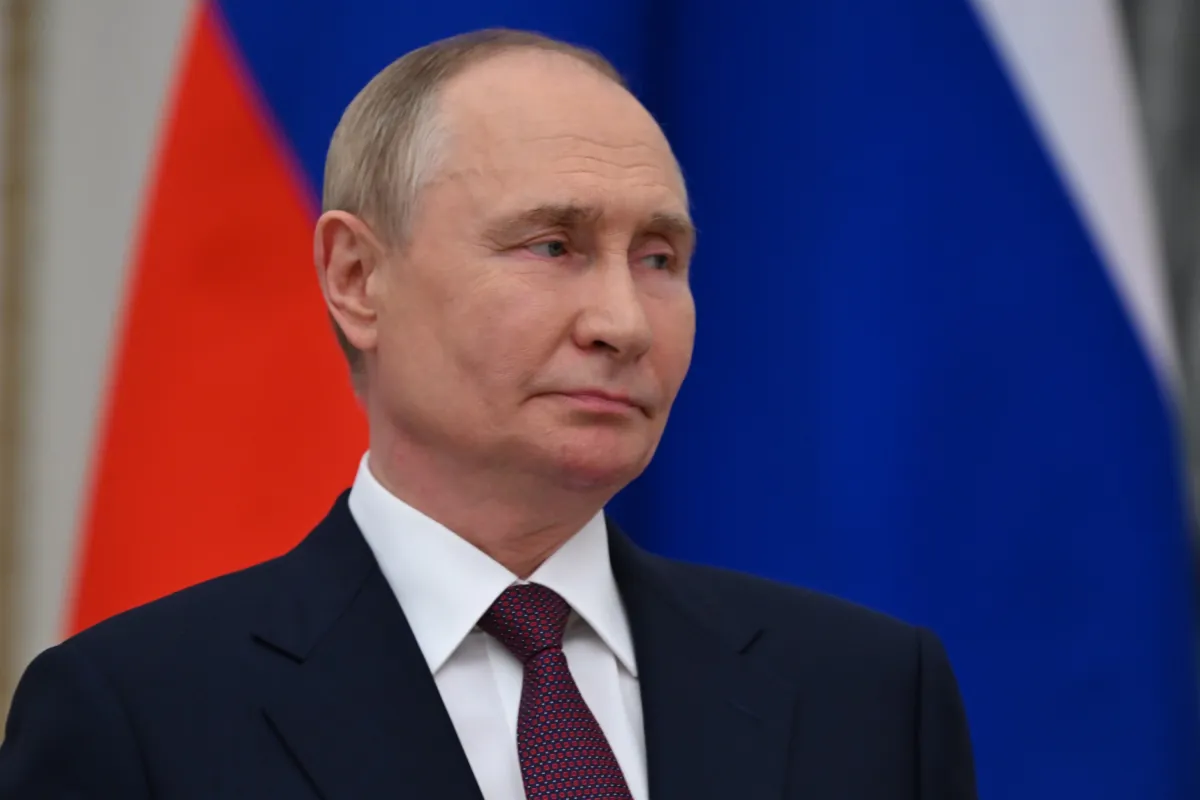
Vladimir Putin called Elon Musk 'a genius, truly a genius' at the Russia-Africa Summit on Wednesday, and said the two men are in 'close contact' about Rassvet, Russia's answer to Starlink. Flattery from a sitting Russian president toward a figure who controls a critical satellite network is not a harmless compliment. It is a signal worth taking seriously.
The stakes are concrete. The report says Ukrainian officials became concerned after the U.S. eased sanctions on Russia earlier this month that Ukraine could lose access to Starshield, the military version of Starlink that Ukrainian forces rely on. Those concerns were not abstract. For about 10 days earlier this month, Ukrainian drones experienced frequent losses of connectivity.
The report also notes the conflicting accounts of who caused that disruption. According to the Wall Street Journal, Musk ordered SpaceX to limit Ukraine's Starlink access, though other reports say the order came from the White House. Musk, for his part, claimed in a post on X that Ukraine violated Starlink terms of service by using the technology for 'offensive drone strikes to kill people.' Whoever gave the order, the episode showed how much a battlefield can depend on one private company's decisions.
Musk's own words make the dependence plain. He wrote on X, 'Were Starlink to be turned off, the Ukrainian front line would collapse immediately,' adding that this is 'NOT a threat, it is simply a statement of fact.' Whether or not it was meant as a threat, a line like that should prompt governments to ask why a core piece of military communications rests on the goodwill of one executive.
The answer should not be to panic or to ignore the Putin remark. Ukraine and its allies should map their dependence on commercial satellite services and build backups, including alternatives that no single owner can switch off. Governments should also demand clear rules on when and how such services can be restricted, and who must approve those restrictions. Praise from Moscow does not prove any deal exists, but it is reason enough to stop assuming the arrangement is safe.