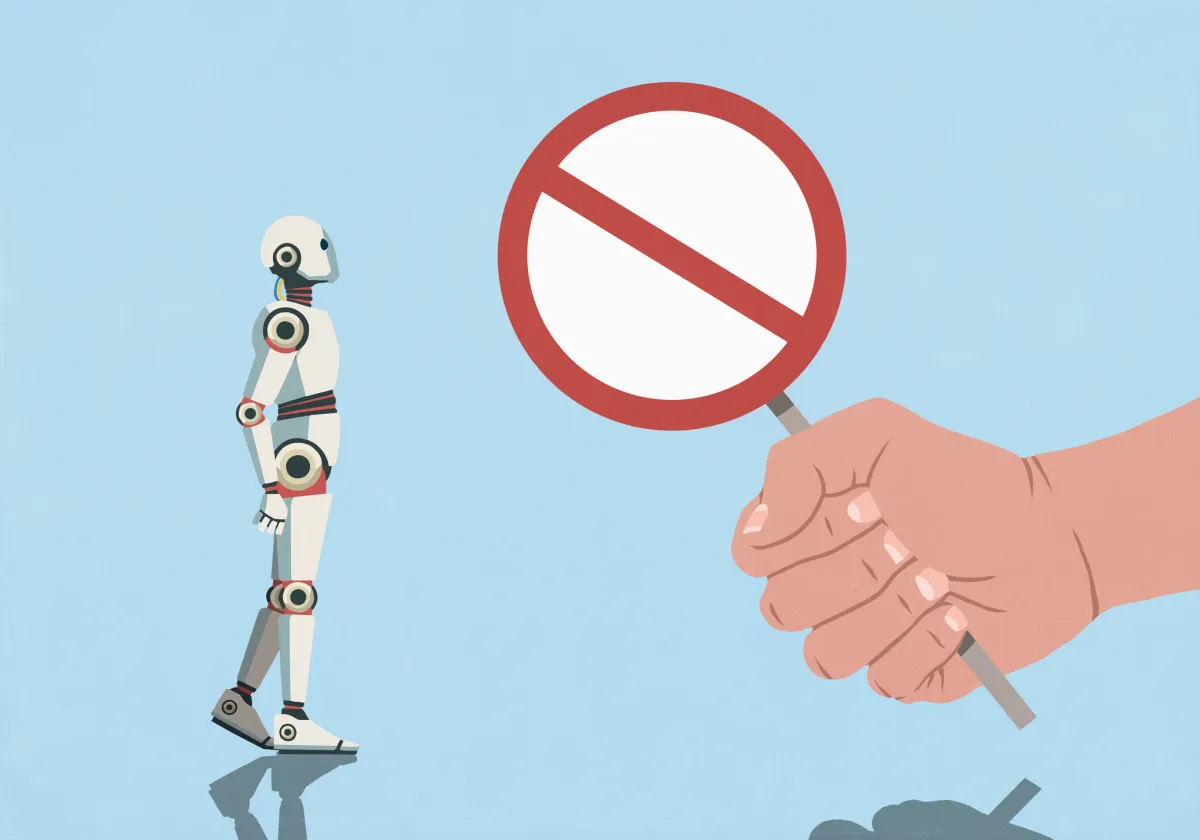
David Durman, a University of Kentucky administrator, has secured a workplace accommodation that lets him avoid using AI at work. He is a nontheistic Humanist, not a believer, and that matters. According to the report, he sought help from the American Humanist Association to find out whether legal protections against being required to use AI were available to him. The fact that he could pursue this path at all is a sign that the law's idea of conscience is being tested by new technology.
Durman's reasoning is grounded in his beliefs about human well-being and flourishing. He told TechCrunch that the active use of one's mind is how people become moral actors, and that overreliance on AI could weaken that capacity. He also cited the technology's effect on people's ability to earn a living, the environmental costs it carries, and its threat to art and literature. Whether one agrees with every point, these are serious concerns, and they are not fringe ideas. The AHA's staff attorney, Alexandria Huiskens, made the broader legal point: Humanists and nontheists are protected by workplace law just as religious workers are.
The University of Kentucky's response deserves credit for its restraint. A spokesperson said the institution reviews accommodation requests individually, weighing the employee's job duties and circumstances. In Durman's case, the university found that he could keep performing the essential functions of his role without using AI. The university also said accommodations may be reviewed as technology and job responsibilities change. That last point is the one to watch. A protection granted today for an administrative job that does not require AI could become harder to keep if leadership begins to treat AI use as a mandate.
Durman's decision to act early, before any such mandate exists, is sensible. He said he wanted to secure his exemption in case colleagues and leaders who have recommended the tools turn that suggestion into a requirement. Employers should not wait for a dispute to set the rules. They should publish clear, written criteria for AI accommodation requests, explain how those requests will be judged, and commit to reviewing them fairly when job duties shift.
Durman says he is not trying to tell others how to think. That is the right instinct, and it should guide how institutions respond. Workers with concerns about AI, whether rooted in faith, ethics, or secular conviction, should be able to raise them without first having to prove a theological claim. The question for employers is not whether a worker's belief is the correct one. It is whether the accommodation is reasonable and workable. The University of Kentucky appears to have asked that question. Other organizations should ask it too, before the next wave of AI mandates arrives.