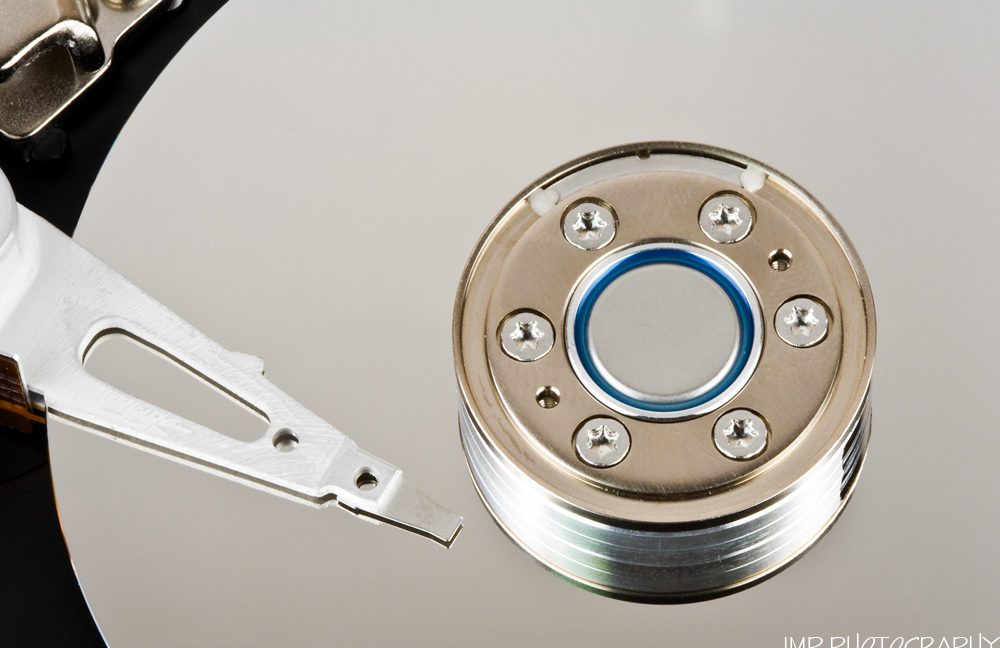
Seagate launched the FireCuda Forge, a hybrid storage drive line that pairs a plattered hard drive with a user-supplied NVMe SSD, according to a report from Ars Technica. The FireCuda Forge is sold through Seagate's web store in 8TB ($699) or 20TB ($899) HDD configurations, and neither includes the SSD.
The report says the drive works with M.2 2280 NVMe drives that use PCIe Gen3 or higher, with a maximum supported SSD capacity of 1TB. The SSD must deliver at least 2,400MB/s read and 2,000MB/s write speeds, and a model with DRAM cache is recommended. Seagate claims combined system speeds of 2,500MB/s read and 2,000MB/s write. The drive supports USB4, Windows 11 and macOS 26 or later.
The report ties the launch to rising storage prices. It cites data from Tom's Hardware showing some SSDs now cost two to three times their historic lows. It also cites PCServerParts, which reported that a Seagate Exos 24TB drive rose from $298.99 in summer 2025 to $699.99 by August 2026.
Seagate says its new Alkemi platform manages the two drives from the enclosure and adapts over time to keep frequently used data on the SSD. Seagate describes this as "intelligent data tiering." The product data sheet calls it a two-tier system but does not say whether it uses SSD caching, automated tiering, or a combination.
Ars Technica says Seagate has not published details on how Alkemi handles drive failure or repair, how it places data on first boot, or whether one drive's failure would make the whole pool unrecoverable. The report compares the design with Apple's 2012 Fusion Drive and Intel's Smart Response Technology, which kept the HDD as the authoritative copy, and says the distinction affects reliability.