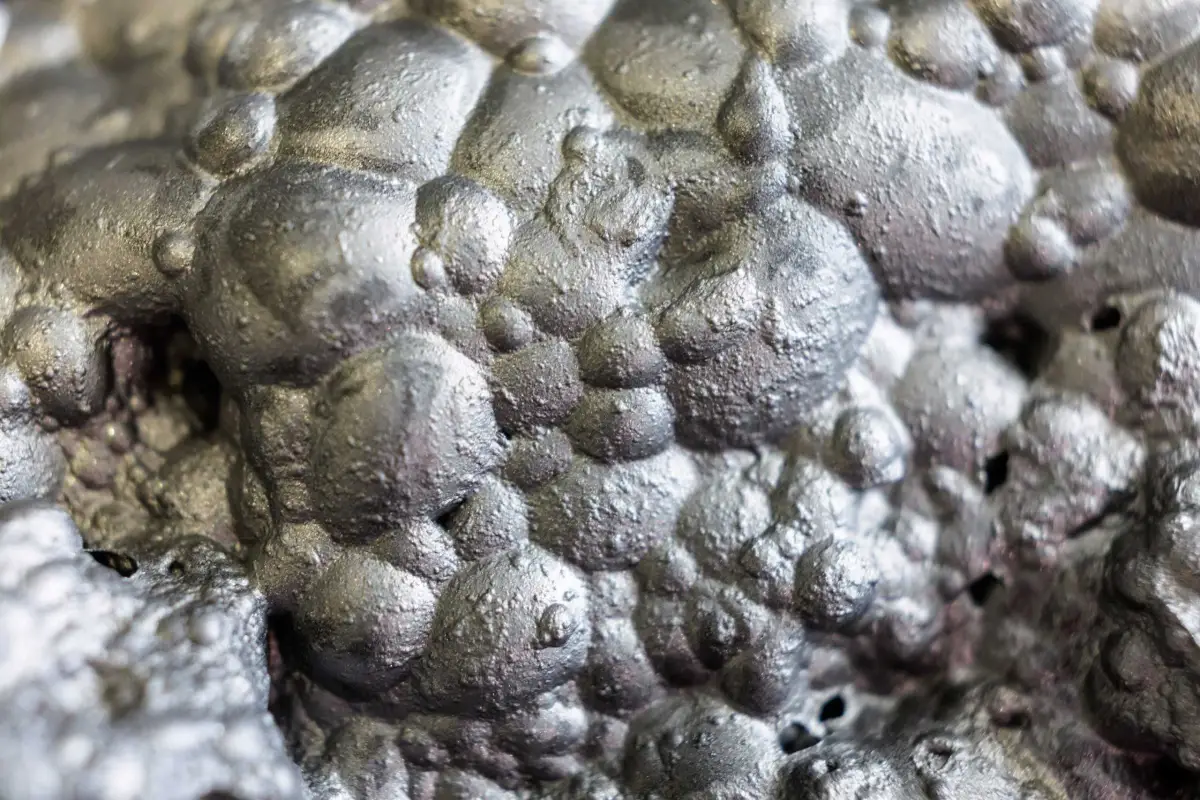
Molten Industries has started operating a demonstration plant in Oakland to produce battery-grade graphite, the company told TechCrunch exclusively. The five-year-old startup says the plant will make about 300 metric tons of graphite a year, enough for 300 megawatt-hours of batteries, or roughly 4,300 EVs. The bulk of that output will go to undisclosed customers testing it in their battery cells.
Chinese companies control about three-quarters of the graphite anode supply chain and 97% of synthetic graphite anode production, according to Benchmark Mineral Intelligence, as cited in the report.
Caleb Boyd, co-founder and CTO of Molten, said the Oakland plant will produce graphite at cost parity with China plus U.S. tariffs. He said future plants should match China's cost even without tariffs. The company has not announced its next facility, but Boyd said it will replicate the Oakland template several times.
Molten uses electrical resistive heating to split methane into pure carbon and hydrogen. Boyd said the system uses three times less electricity than existing methods and runs on natural gas. The company sells the hydrogen at market prices to a customer next door. Boyd said no company before Molten had produced high-quality graphite this way, because carbon buildup had clogged earlier reactors.
CEO Kevin Bush said, "We think it's very hard to compete with China if you're just copying their processes and trying to compete on cost." Boyd and Bush, both materials science PhDs from Stanford, originally aimed to make clean hydrogen. The company says both its graphite and hydrogen businesses could bring in billions of dollars. Molten claims that if it supplied the entire U.S. battery market, it could also provide about a third of the hydrogen used in the country.