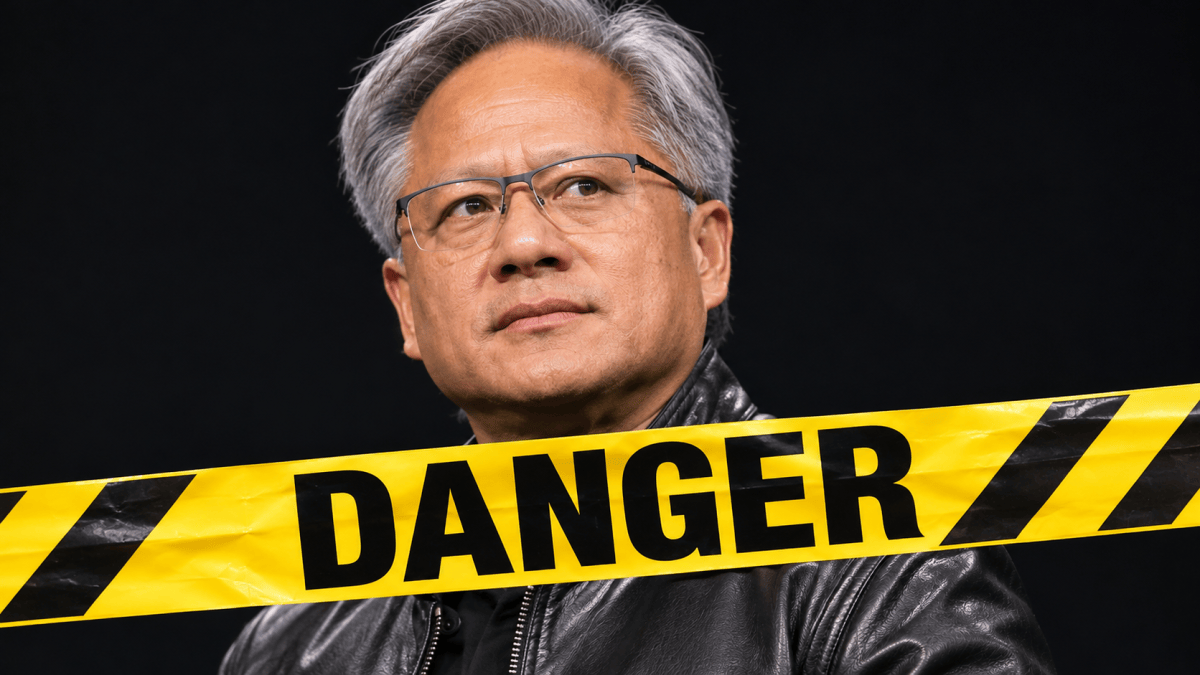
Jeffrey Sonnenfeld, a business academic at Yale, says Nvidia is "a detriment to U.S. global industrial might" rather than a champion of American industry. He made the claim in a Q&A with TechCrunch following Jensen Huang's return as Nvidia's CEO.
Sonnenfeld points to research suggesting Nvidia's most advanced chips have reached China despite U.S. export controls. He also says Nvidia's chips have ended up in systems linked to China's military, including at Northwestern Polytechnical University, which he describes as a military institution. He says this technology could reach Iran and Russia. He cites documentation for these claims. The source does not show that documentation, and the article notes that China has denied supplying weapons to either country, while Nvidia chips have been found in Russian drones. Nvidia has said smuggling is a "non-factor."
Sonnenfeld also criticized Nvidia's board. He says the directors who restored Huang, after reportedly considering whether foreign intelligence efforts targeted him, face "a historic level of individual liability." He called the board's decision a sign of incompetence and cowardice, and said the board relied too little on experts. He noted that the company's government business is small, so officials had less leverage over it.
The report says Huang's return followed pressure from the Trump administration, including calls led by Vice President JD Vance and a direct call from President Trump to the board. Trump told CNBC, "I made the deal."
Several legal actions are underway. A class-action suit and a shareholder derivative suit were filed earlier, and three more suits followed on November 18. Nvidia and Huang also face a Justice Department antitrust investigation, a reported SEC probe into Nvidia's accounting, a possible FBI review, a California subpoena, an export-control case involving partner Megaspeed, and congressional inquiries. Huang has agreed to testify at a Senate Banking hearing next week.
Sonnenfeld's assessments are his own opinions. The source does not confirm the outcome of any investigation or lawsuit.