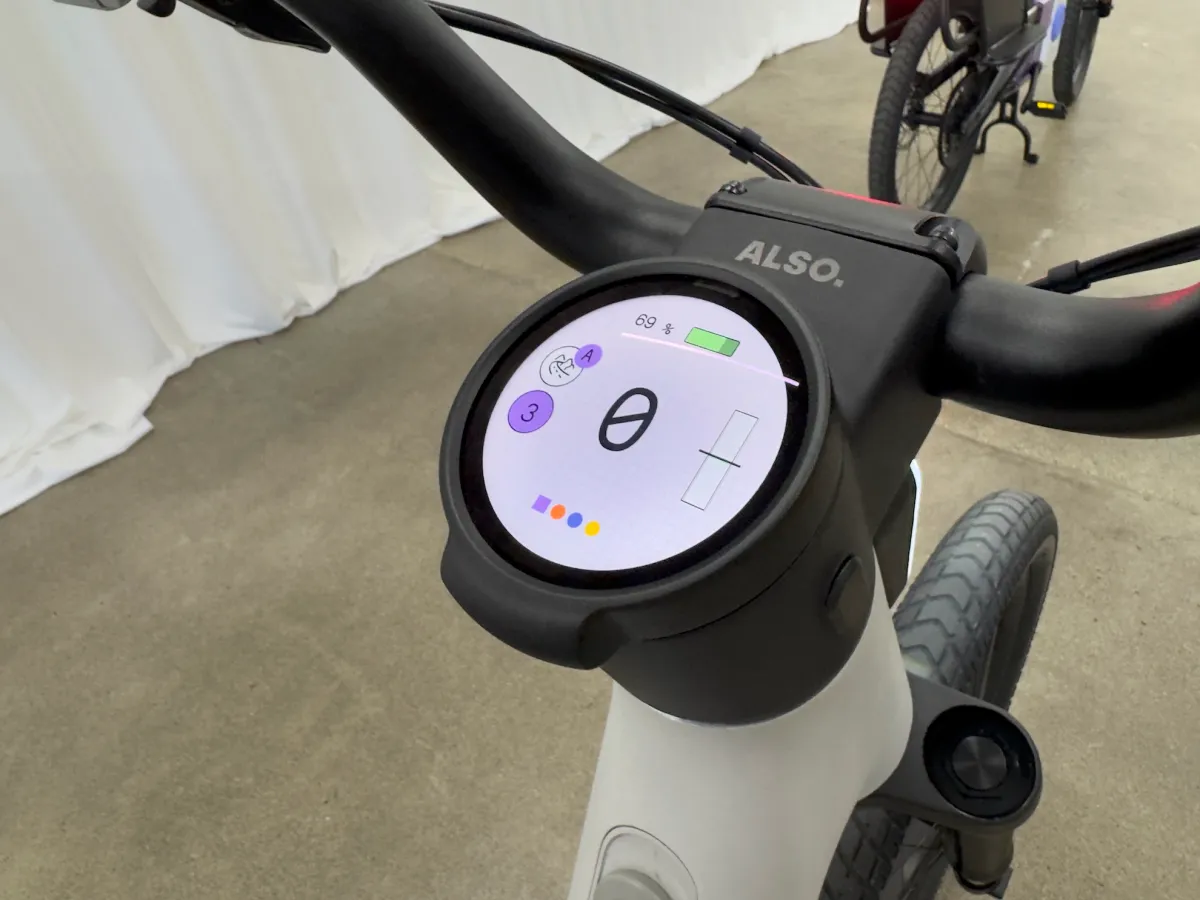
Also, the micromobility startup spun out of Rivian in 2025, quietly started and then abandoned an electric two-wheeler pilot project in Kenya earlier this year, TechCrunch reports. The company said it wanted to focus resources on its consumer e-bike and autonomous vehicle work.
The project received grant funding from the Shell Foundation. A now-removed section of the foundation's website said the pilot aimed to "enable and de-risk global OEM entry into Africa's EV market by piloting a locally integrated electric two-wheeler platform in Kenya." According to that section, Also planned to work on modular battery designs, distributed EV charging and "a purpose-built electric motorcycle for African riders."
In a September email, Also told TechCrunch that it had "explored this project" with an unnamed partner but "decided to focus on its core roadmap" after completing only "some early-stage work." Also said the Shell Foundation grant "will follow the project to support its ongoing development," but it did not give specifics.
The Shell Foundation said the project was "intended to generate evidence on driver income uplift potential, operational performance and commercial viability." When TechCrunch asked for more detail, the foundation declined, citing a nondisclosure agreement with Also. Days later, the project was removed from the foundation's website.
During an interview at TechCrunch Disrupt, Also co-founder and president Chris Yu said attention shifted to small autonomous vehicles, which Also is developing with DoorDash. "We piloted and ultimately decided, largely because of just urgency and pace around autonomy," Yu said.
Also has faced delays with its first product, the TM-B premium e-bike. Supply chain problems pushed back deliveries, and Yu acknowledged the company communicated poorly with reservation holders during the summer. The bikes began shipping to customers in early October. Early customers have reported delivery damage and battery drain.