SpaceX vice president of launch Kiko Dontchev said at the UP.Summit conference in Florida that the company is now "fundamentally an infrastructure company." He said SpaceX is building infrastructure on the ground, in low Earth orbit, on the Moon and eventually on Mars.
Dontchev said SpaceX engineers were already using xAI's tools before SpaceX acquired xAI earlier this year. He said adoption accelerated in recent months, and that the speed of engineering work has changed. Tasks that once took hours to days now take seconds to minutes, he said.
Dontchev said SpaceX has largely automated the detection of foreign object debris, or FOD, in aerospace parts using the Grok AI assistant. He said a human inspector who borescopes a tube finds FOD about 94 percent of the time. "Grok analyzing the same video is 99.9 percent perfect," he said. SpaceX has also automated visual inspections of hardware such as Starlink customer terminals.
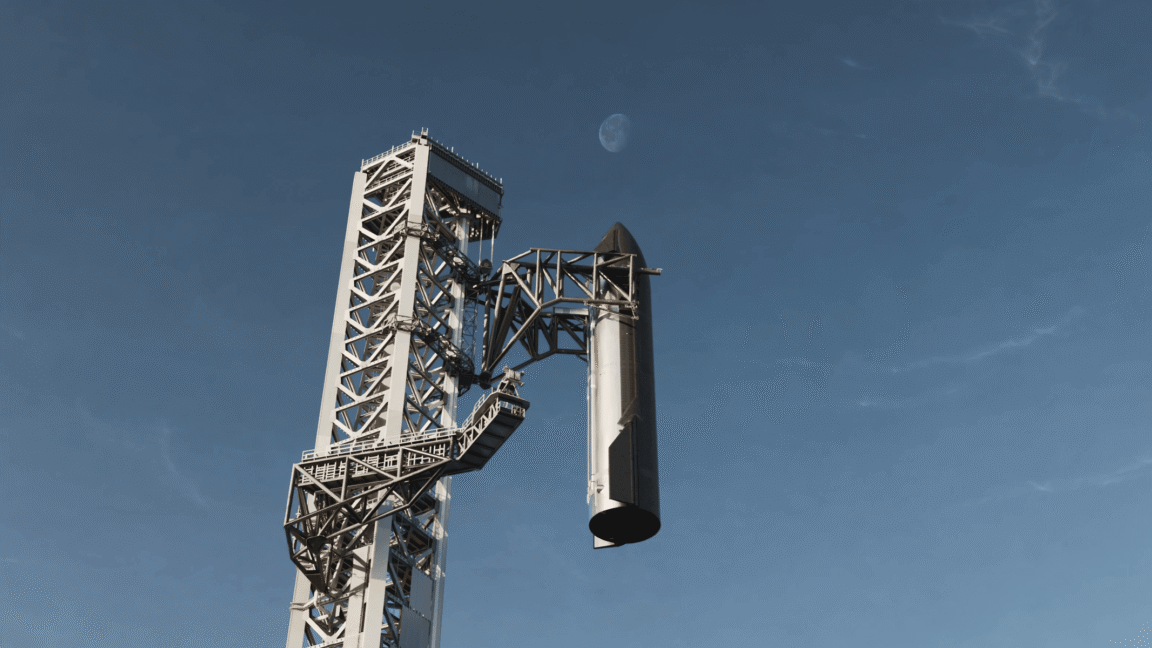
Dontchev said he considers Falcon 9 still not fully reusable because the second stage is discarded on every flight. He said Starship is designed to catch both the first and second stages. He also said that a company aiming for thousands of launches a year cannot sustain building a new second stage each time.
Dontchev said a single Florida Starship launch will be able to carry up to 20 times the bandwidth of a single Falcon 9. He said the pad at Launch Complex 39A at Kennedy Space Center is "effectively complete," and that the company hopes to transport its first boosters and ships to the Cape by barge in December and possibly fly by the end of the year.
The report notes that Dontchev did not address widespread concerns in the US commercial space industry that SpaceX has not moved to replace Falcon 9's lost capacity with Starship.