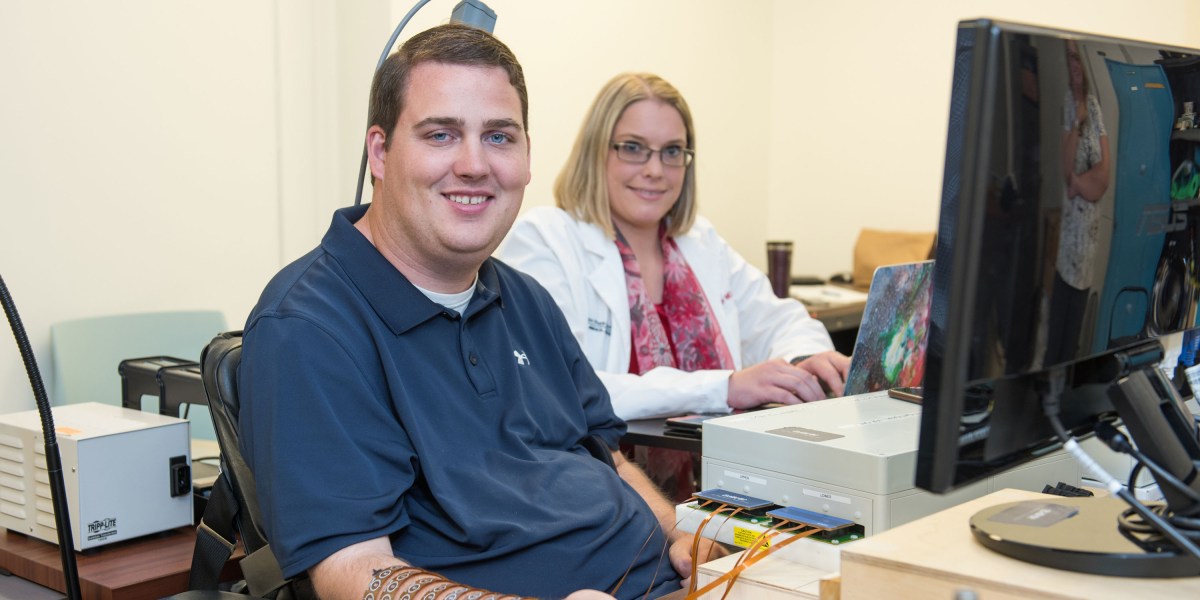
Volunteers in brain-computer interface trials are asking for more recognition, autonomy and access to their own data. Ian Burkhart, who had a 96-electrode array implanted in his brain in 2014, co-founded the BCI Pioneers Coalition in 2022. The group has published a set of ethics guidelines for researchers, organized into 13 categories, according to MIT Technology Review.
Burkhart says trial participants make a significant contribution. He describes his own commitment as roughly a part-time job, with lab visits two or three days a week for four hours at a time. He says he became a key member of his research team. He suggests that participants could be listed as coauthors on publications or named as research collaborators, though he acknowledges not everyone will want that.
The guidelines say brain data "should be understood as the participant's personal information." They call for participants to be able to access their own brain data whenever they want. They also say participants should not be blocked from sharing that data with their doctors because of embargoes or nondisclosure agreements.
The guidelines also address what happens after a trial ends. They recommend that researchers maintain brain devices for a "reasonable period" after the trial, and that participants get enough time to prepare for removal surgery. Burkhart lost his device in 2021, after funding problems and an infection, and said losing it was difficult. The report also cites Rita Leggett, an Australian woman whose epilepsy implant was removed against her will after its manufacturer went bust. Ethicists have described that removal as a potential breach of human rights.