The US Southwest generated 28% less electricity from hydropower between April and August than the 10-year average, according to new data from the US Energy Information Administration (EIA).
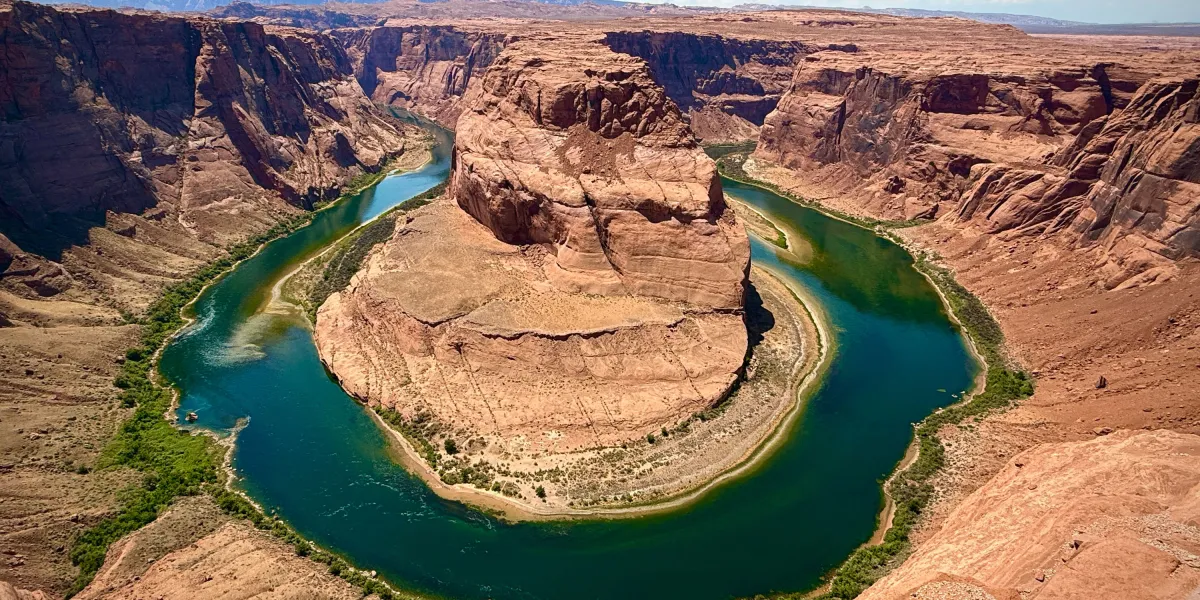
An extreme, prolonged drought in the Colorado River Basin has left the region's two largest reservoirs at dangerously low levels, according to the report. Lake Powell was less than 1% above the level needed to run water through turbines at the Glen Canyon power plant at the end of September. Lake Mead was 9% above the minimum needed for the Hoover Dam power plant that month.
Together, the two plants produced nearly seven terawatt-hours of electricity in 2025, enough to serve over 2 million people, the report says.
The EIA projects that hydropower production will be at its lowest level in more than a decade in 2026, and that it will fall further in 2027.
The report says El Niño could bring temporary relief. Heavy rains in October and early November raised Lake Powell's water level by more than 20 feet from its mid-September low. The water is still very low, however, and the report says recovery from decades of drought will require much more.
The report also links the shortfall to climate change. It cites a 2022 review study saying that rising temperatures, warmer winters with less snow and ice, and more variable precipitation are making hydropower less reliable.
The report notes that a worldwide shortfall in hydropower generation accounted for about 40% of the 1.1% rise in energy-related greenhouse-gas emissions in 2023, according to the International Energy Agency.