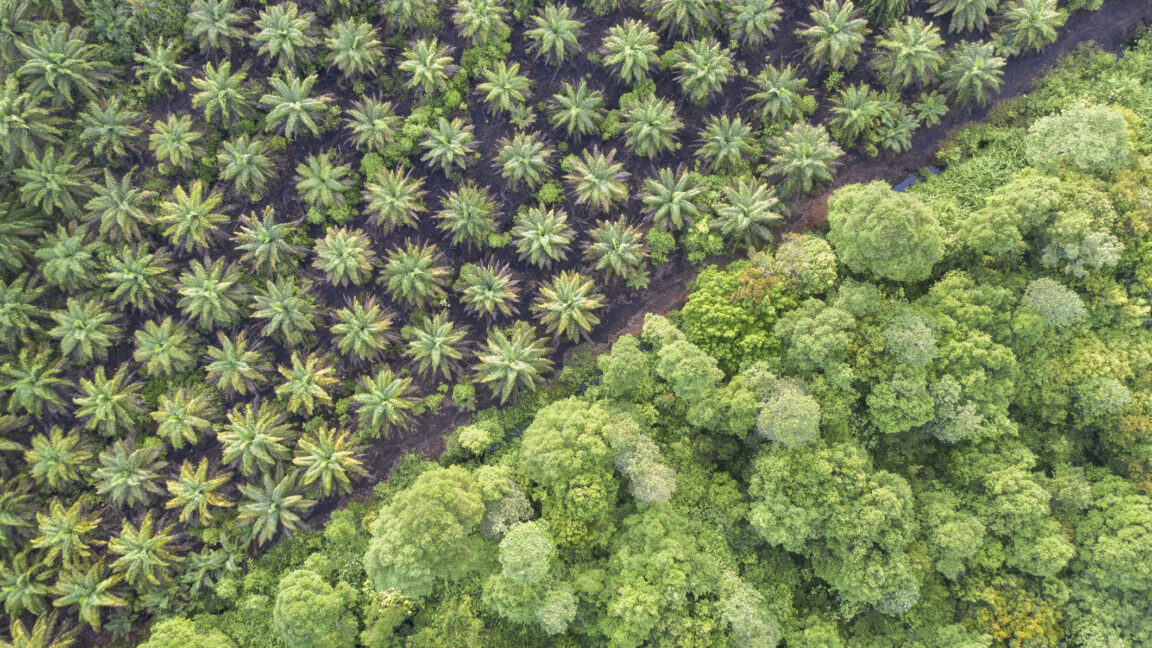
A new study led by Jevan Yu at MIT estimates that drained peatlands account for about 2.7 percent of total human-caused change in Earth's energy budget in 2020. The study's error range is 1.8 to 3.6 percent. The researchers built a global model using recent gas emission measurements from peatlands and ran it starting in 1800.
Peatlands hold about 600 billion tons of carbon, more than all of the world's living vegetation, according to the researchers. Permanently waterlogged peat decays slowly, so part of its carbon escapes as methane rather than carbon dioxide. Draining peatlands with ditches lowers the water level, exposes peat to oxygen, and shifts emissions toward CO2. The model estimated the 2020 CO2 effect at about +83 milliwatts per square meter, and the reduced methane effect at about -9 milliwatts per square meter, for a net +73 milliwatts per square meter.
Over half of the CO2 came from Europe, almost a quarter from Southeast Asia, and 14 percent from North America. The study says the Southeast Asian contribution rose only in the last few decades.
The researchers also projected the model to 2100. If peatland water levels stayed at 2020 levels, the net effect would nearly double to 138 milliwatts per square meter. Moderate restoration could slow that growth, and ambitious restoration could shrink the effect slightly below its 2020 level, according to the analysis.
The study was published in Nature in 2026 (DOI: 10.1038/s41586-026-11339-0). The source for this report is Ars Technica.