Voters rejected data centers in dozens of local ballot measures this week, and even in races where data centers were not directly on the ballot, candidates such as Texas governor-elect Gina Hinojosa campaigned on restricting them. Tech companies that have treated this as a public relations problem are misreading the moment.
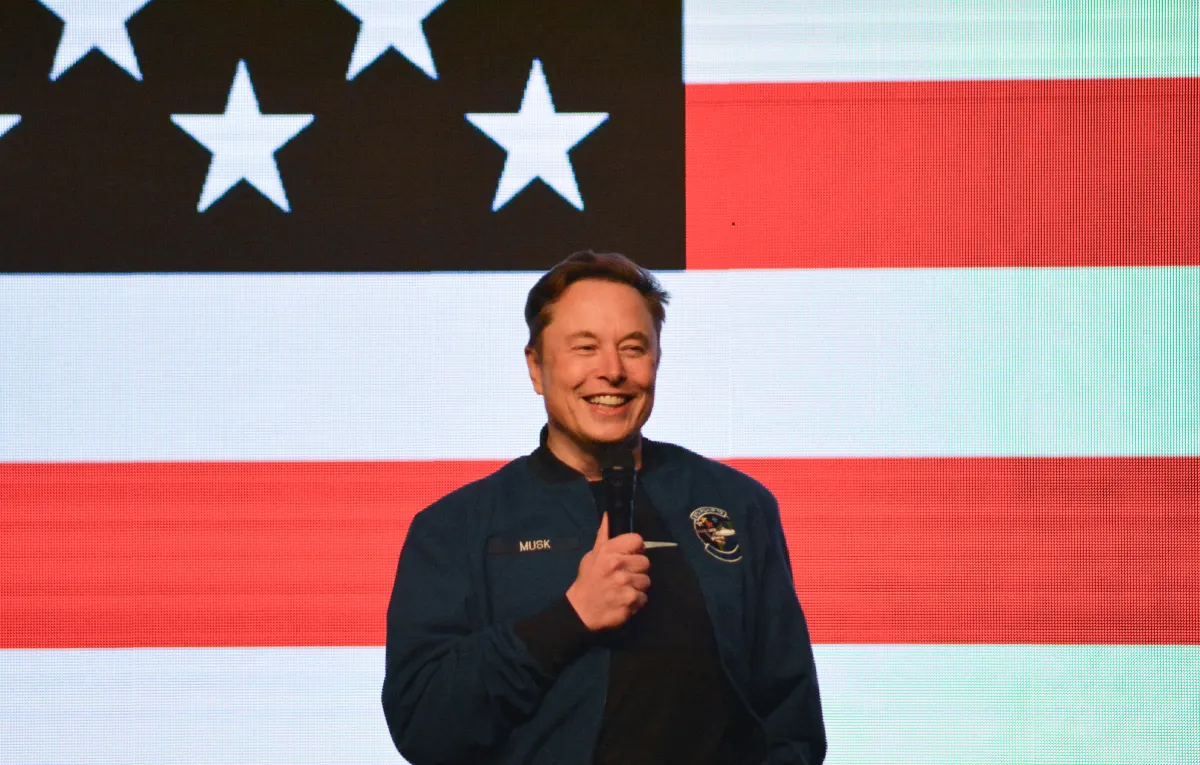
The report notes that Elon Musk donated roughly half a billion dollars to Republicans, yet his companies are now based in a state that has turned about as blue as it could possibly turn. Whatever Musk bought with that money, it did not buy a friendly political climate for the infrastructure his businesses depend on. Anyone building large data centers should take that lesson seriously.
Kirsten Korosec makes the most important point in the discussion: data centers were probably not the main reason voters turned out in this election, but they have become a grassroots issue. The reason is how hyperscalers went about getting projects approved, with secrecy, nondisclosure agreements imposed on officials, and little information about the scale of projects in environmentally sensitive areas, including parts of the Southwest where water is scarce. Residents across party lines saw that approach as wrong.
OpenAI's response shows that the pressure is working, at least in part. Its new compute campus policy blueprint says it will no longer require NDAs and will share its plans. That is the right direction, but it should not be mistaken for a rebrand. Calling a data center a compute campus does not reduce its water or power demands. Only disclosure, public review, and real limits on those demands will rebuild trust.
Governments should set clear, public rules for siting, water use, and energy sourcing so that companies know what is expected. Companies that wait for regulators to force transparency will keep losing these fights, and the voters who rejected these projects will have good reason to keep doing so.