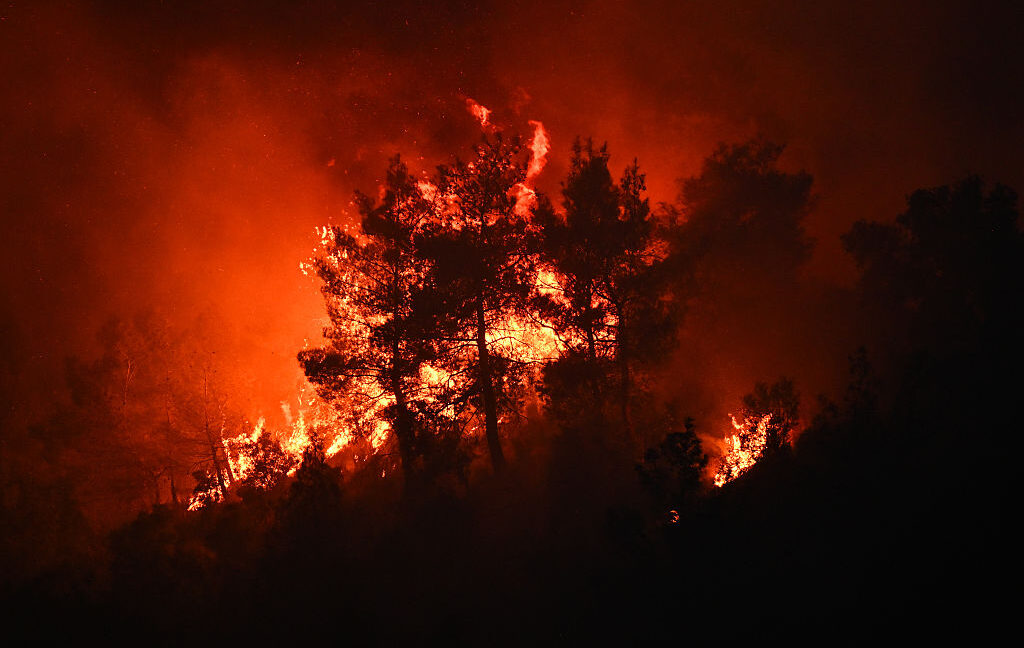
Lockdowns during the COVID-19 pandemic reduced global fire activity by 12.3 percent, according to a study led by Jianghao Wang, a professor at the Chinese Academy of Sciences. The study appeared in Cell Reports Sustainability.
The team compared active-fire detections from the first half of 2020, when regional lockdowns restricted movement, with the same weeks from 2013 to 2019. The researchers defined the restriction periods using regional lockdown orders and mobile phone location data. They tracked fires with the VIIRS sensor on NASA and NOAA's Suomi NPP satellite, which detects heat at a resolution of 375 meters.
The drop varied by vegetation type. Forest fires fell by about 27.7 percent and grassland fires fell by 8.4 percent. Shrublands, savannas and croplands showed little difference. The researchers interpret this to mean humans are a major cause of fires in forests and grasslands.
Weather adjustments mattered to the result. Without controlling for weather, the decline was 5.8 percent, which was not statistically significant. After controlling for weather, the estimate rose to 12.3 percent.
The 12.3 percent figure is a net effect, the authors say. Reduced human activity lowered both ignitions and fire suppression, and the two effects partly offset each other. Wang said the figure "is a net effect, not the share of fires caused by humans."
Some regions showed increases during the lockdowns. The article reports rises of 31.4 percent in Colombia, 25.4 percent in India and 70.7 percent in Honduras. The researchers suggested that reduced fire suppression may explain these increases, but the source notes there are no direct field data confirming this.