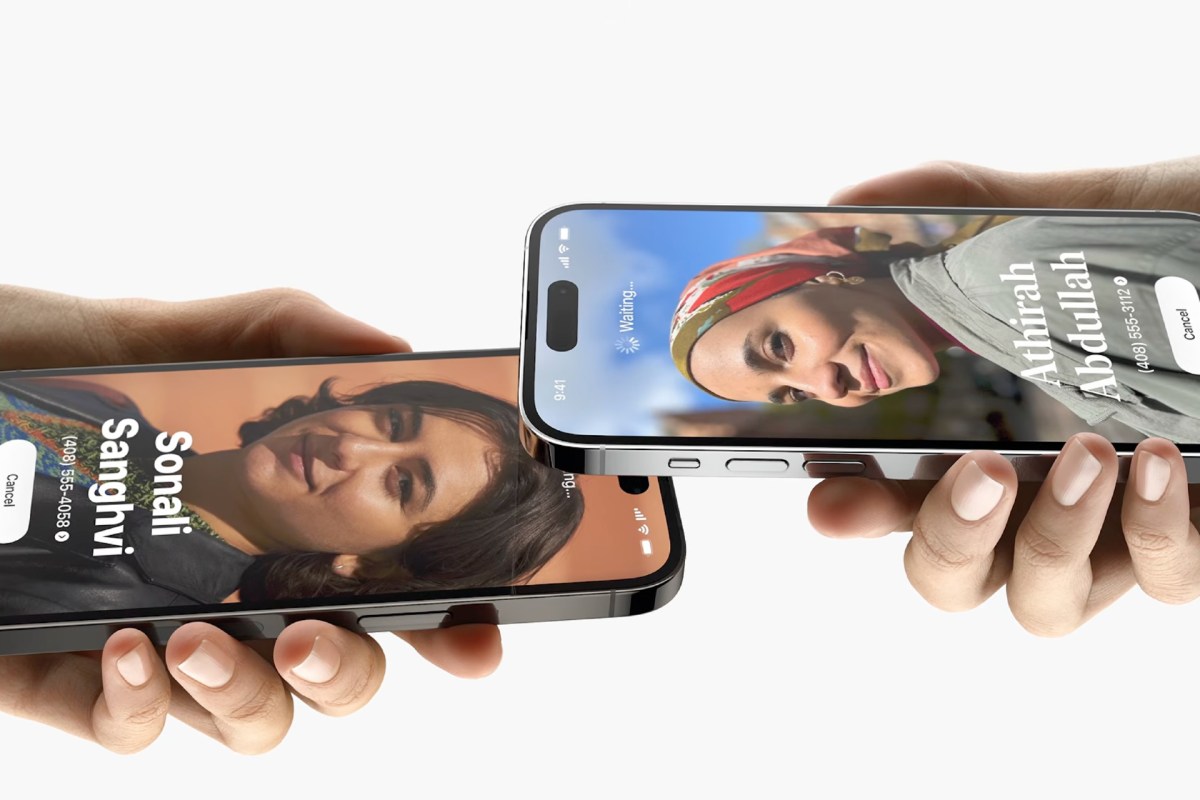
GG Technologies is asking an Indian court for something sweeping: damages of ₹15 billion (about $161.86 million) and an injunction that would restrict Apple's NameDrop feature in India, including limits on selling or importing iPhones and Apple Watches preloaded with it. Those are heavy remedies to seek before any hearing has been scheduled. The case has yet to be listed, so no court has yet weighed the allegations.
The core claim is specific. According to the 781-page filing reviewed by TechCrunch, GG Technologies holds an Indian patent, received in July 2024, on technology that lets phones exchange contact details with nearby devices without manual pairing. The company says it sought U.S. patent protection in 2019, the same year it launched its StayTouch app, and filed its Indian application in 2021. Those dates matter. They show a documented sequence of filings that a court can test against Apple's product, which NameDrop's introduction in iOS 17 in June 2023 places later.
The dispute also has an unusual procedural history. Mediation started in April and failed in September, and the company filed in India in October. The same company sued Apple in the U.S. in April, and the U.S. International Trade Commission opened an investigation in August after a complaint from GG Technologies. Two forums examining overlapping patent claims is not unusual in technology litigation, but it means the company is pursuing leverage on several fronts at once.
Apple did not respond to a request for comment, so the report offers only the startup's side. That is a limitation readers should keep in mind. Anyone assessing whether NameDrop actually infringes needs to see the patent claims compared against the product's operation, and that comparison has not been published.
My view is that the courts should decide this on the patent's text and the feature's technical workings, with the injunction request treated as a serious question rather than a default outcome. A small company with a registered patent deserves a real hearing. A global device maker deserves the same standard, including the chance to answer in court. Blocking imports and sales of widely used devices is a remedy that should follow a clear finding, not precede one.