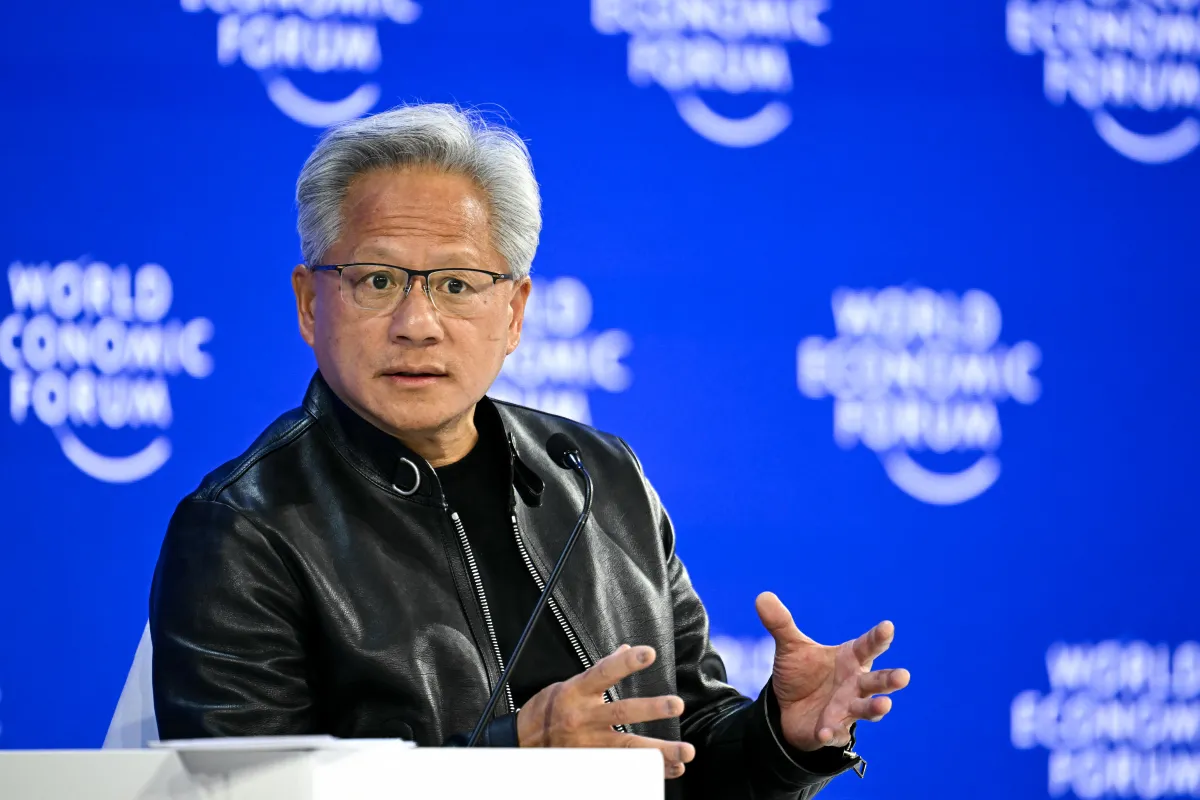
S&P Global Ratings is considering a downgrade of Nvidia from AA to AA-, the fourth-highest step on its scale. The stated reasons are not Nvidia's financial results, which the agency itself describes as strong. The concern is governance: the ouster and reinstatement of CEO Jensen Huang has raised questions about "weak executive oversight and lack of succession planning" and what S&P calls "key man risk," meaning heavy reliance on one person for the company's future.
That framing deserves to be taken seriously. A company whose valuation and strategy appear tied to a single executive has a fragility that quarterly earnings cannot reveal. When the board removed Huang and then brought him back, the episode suggested that the people responsible for oversight were not in full control of the outcome. S&P says it expects to finish its review within 90 days, and the timeline is short enough that Nvidia's board should be able to answer the agency with something concrete rather than reassurance.
The report also shows why this matters beyond Nvidia's own balance sheet. The company is set to arrange $500 billion in AI infrastructure financing with six institutions, including Goldman Sachs, Apollo, and Blackstone. Under the original terms, Nvidia would guarantee 25% of the loans. Bloomberg reported that lenders were already pressing for larger guarantees before Huang's ouster and return. Nvidia also backstops neoclouds and other infrastructure companies that lack strong credit on their own, so a lower rating could raise their borrowing costs or force them to post more collateral.
Nvidia will keep its investment-grade rating even if the downgrade happens. That is not the point. A one-notch cut is a warning that the company's risk is partly human and partly structural, and that its guarantees are now a channel through which governance questions flow into the wider AI lending market. Lenders, which the report says would likely respond to a downgrade by demanding even larger guarantees, are right to look past the earnings line.
What should happen next is straightforward. Nvidia should publish a clear succession plan and describe how its board oversees the chief executive. It should also explain the terms of its guarantees to the neoclouds it supports, so that investors can see where the exposure sits. If the company cannot show that its leadership risk is managed, the downgrade will be deserved, and the market will be right to price it.